
Milk Kefir, Peri-Menopause, and the Microbiome
For years now, milk kefir has been one of those small things I’ve returned to again and again.
A glass here and there, something I instinctively felt good drinking long before I fully understood why. And over the past month, thanks to a lovely friend who gave me some grains, I’ve started making my own milk kefir at home, and honestly, it has felt like the final little piece of my peri-menopause puzzle.
I’m always cautious about wellness claims and 'superfoods', but there is some genuinely interesting research emerging around fermented foods, the microbiome, inflammation, hormones, and the gut-brain connection. And anecdotally, my husband and I both absolutely feel a difference since making kefir part of our daily rhythm.

Kefir and grains
My digestion feels calmer and more efficient. I feel fuller for longer and far less snacky throughout the day. My sleep has improved in a way that is difficult to explain unless you’ve experienced that particular peri-menopausal “tired but wired” feeling. And perhaps most noticeably of all, my nervous system feels more regulated. Less anxious. More steady.
There’s growing research around the gut-brain connection, hormones, inflammation, and the microbiome, and I suspect this is part of why kefir can feel so supportive for some women during this stage of life. The gut plays such an enormous role in everything from mood regulation to hormone metabolism and immune function. When the gut is struggling, often the rest of us is too.
And homemade kefir really is a different thing entirely from the pricey, shop-bought versions.
Most supermarket kefirs are made with laboratory-produced powdered starter cultures rather than living kefir grains passed from kitchen to kitchen. They are designed for consistency and convenience, while homemade kefir feels far more alive and dynamic, continuing to ferment and evolve gently on your countertop day by day.
When you make it yourself, the grains continue to naturally ferment the milk for 24 hours or so, creating a living drink full of beneficial bacteria and yeasts. The taste changes subtly with the seasons, the temperature of your kitchen, and even the rhythm of your home. It feels less like manufacturing something and more like tending to a tiny ecosystem.
And despite how intimidating it might sound, it is astonishingly easy.
You place the grains in milk, leave them on the counter overnight, then strain them the next day and repeat. That’s essentially it.
There is something strangely comforting about the ritual of it, too. The slowness. The repetition. The daily care. In a world where so much is instant and disposable, kefir asks for patience and attentiveness. Tiny acts repeated over time.
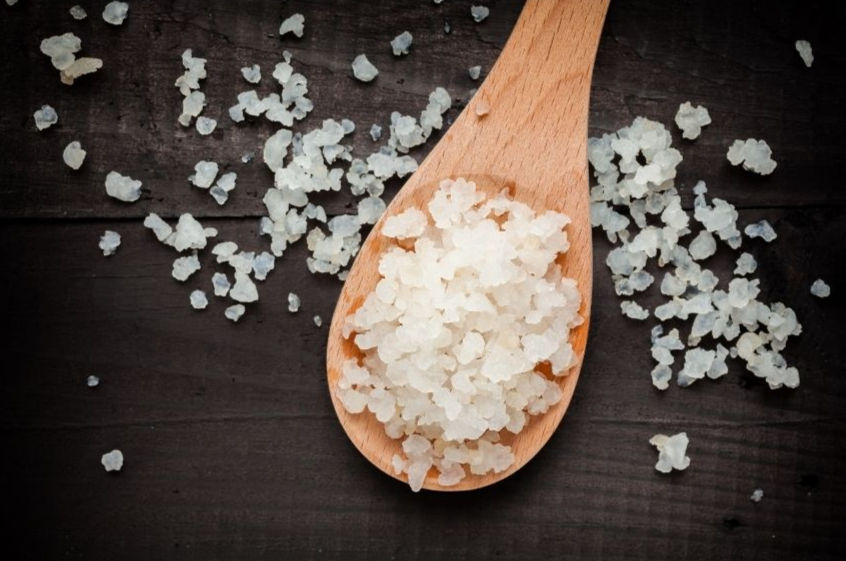
The grains themselves are fascinating little things. Although they’re called 'grains', they aren’t grains in the cereal sense at all. They are living clusters of beneficial bacteria and yeasts held together in a sort of soft, cauliflower-like structure called a SCOBY (symbiotic culture of bacteria and yeast).
They grow and multiply surprisingly quickly, which means before long, you usually have more than you need. I love this part of kefir culture because it naturally encourages sharing and community. I have been sharing mine with my yoga classes and circles.
And there are so many other ways to use the extras.
You can blend kefir into smoothies, strain it into a yoghurt, stir it into overnight oats, use it in dressings, or add it to baking. Extra grains can be shared, composted, fed to chickens or dogs in small amounts, or even blended into smoothies themselves.
If dairy doesn’t suit you, there are lovely alternatives too. Some people make milk kefir with coconut milk or other plant milks, and water kefir is another beautiful option entirely. Water kefir is lighter, more like a sparkling probiotic drink, and can be flavoured with fruit, herbs, or ginger. I think it tastes like tonic water, and I love how refreshing it is.
I’ve also been making kombucha at home recently as well, which has become another little ritual I genuinely look forward to. There is something deeply satisfying about tending these living ferments on the kitchen counter and watching them quietly transform over time.
Left to right: Kombucha with SCOBY, my bottles of Kombucha and Water kefir, Water Kefir grains, Milk kefir separated and ready to be strained.
It has become one of those small grounding practices woven quietly into my days. Like making tea. Lighting a candle. Watering plants. Because it helps. Because it feels nourishing. Because sometimes healing arrives through tiny daily rituals that slowly bring the body back into relationship with itself.
And I think many of us in peri-menopause are searching for exactly that. Ways to feel more at home in ourselves again.
Some areas where kefir has shown potential benefits in studies include:
Digestive health and IBS symptoms
Kefir may help improve gut microbial diversity and digestion, and some people with bloating, constipation, or mild IBS symptoms report improvements.
Lactose digestion
Interestingly, many people who struggle with milk tolerate kefir better because the fermentation process breaks down much of the lactose.
Immune support
Certain strains found in kefir appear to have anti-inflammatory and immune-modulating properties.
Anxiety and mood
Research into the gut-brain axis suggests fermented foods may influence mood, stress resilience, and nervous system regulation through the microbiome.
Sleep and stress regulation
This is still emerging research, but improved gut health and blood sugar stability may indirectly support sleep and nervous system balance.
Metabolic health
Some small studies suggest kefir may help support blood sugar regulation, cholesterol levels, and satiety.
Bone health
Because kefir contains calcium, vitamin K2 (in some ferments), and probiotics, it has been explored for possible benefits to bone density, especially in ageing populations.
There is also preliminary research exploring kefir in relation to inflammation, eczema, allergies, and menopausal symptoms, but much of this evidence is still early-stage or based on animal/lab studies rather than large human trials.
Research
If you come to one of my classes and you'd like me to bring you some grains, just let me know!


Comments